Getting to know 'high cholesterol'.
Hyperlipidemia, or high blood lipid levels, refers to a condition where cholesterol and triglyceride levels in the blood become blocked in some of the blood vessels. This prevents the adequate transport of red blood cells, white blood cells, and plasma to the internal organs for nourishment. Some undigested fats may leak into the kidneys and be excreted as waste in the urine, as shown in urine samples.
Causes of high cholesterol:
- Dietary habits of the patient, focusing on consuming excessive amounts of unhealthy fats.
- Lack of exercise, which affects the body's energy metabolism.
- Family genetics.
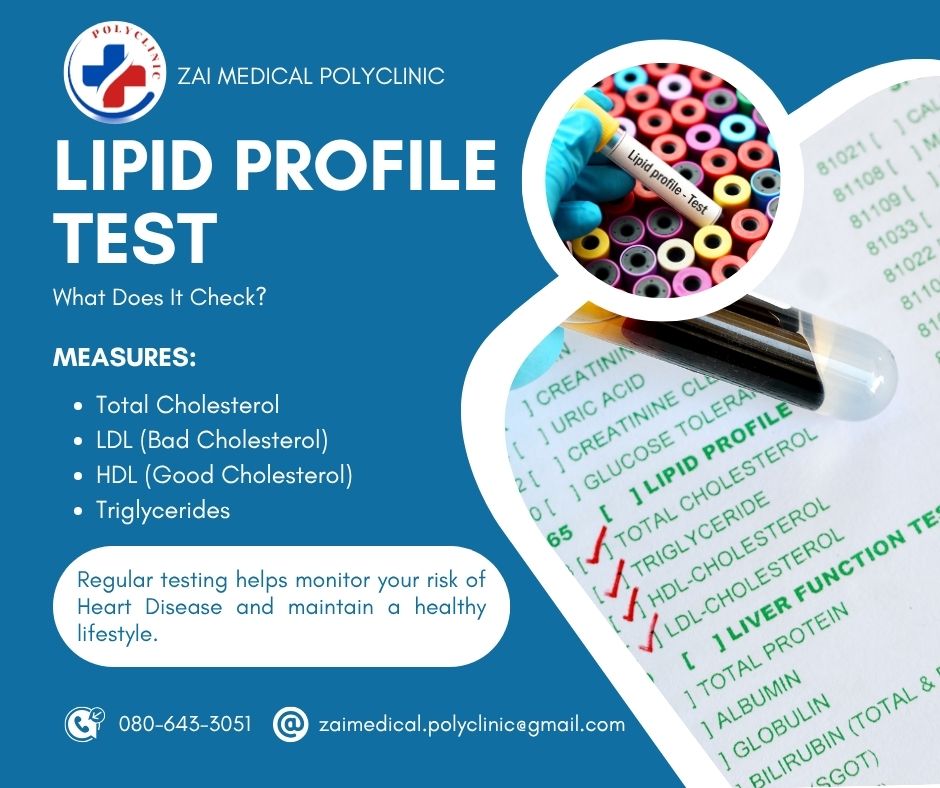
Lipid Profile Test
This test checks the levels of all components of blood lipids in the body, such as cholesterol, triglycerides, bad cholesterol, and good cholesterol, to determine whether blood flow is normal or how much blockage there is in the blood vessels.
The results of this blood lipid test are used to diagnose complications arising from ischemia, such as heart disease, and high cholesterol leading to blockages like arteriosclerosis.
What does a blood lipid test check?
- Cholesterol: Normal value: Less than 200 mg/dl
- Triglycerides: Normal value: Less than 150 mg/dl
- Low Density Lipoprotein: LDL Normal value: Less than 100 mg/dl
- High Density Lipoprotein: HDL Normal value: Men > 55 mg/dl, Women > 65 mg/dl
Who should get their blood lipids checked?
- Men and women aged 35 and older.
- Individuals who frequently use substances such as cigarettes and alcohol.
- Individuals with a family history of heart disease, thyroid problems, and high cholesterol.
- Individuals with a Body Mass Index (BMI) higher than the standard.
- Individuals who experience physical symptoms such as chest tightness, lightheadedness, palpitations, and dizziness that persist for a long time.
Preparation before a blood lipid test:
- Refrain from eating, drinking, snacking, candy, and chewing gum of all kinds for at least 10-12 hours, except for small sips of water.
- For triglycerides, also refrain from alcoholic beverages for at least 72 hours.
May 29, 2026 |
Zai Medical Polyclinic