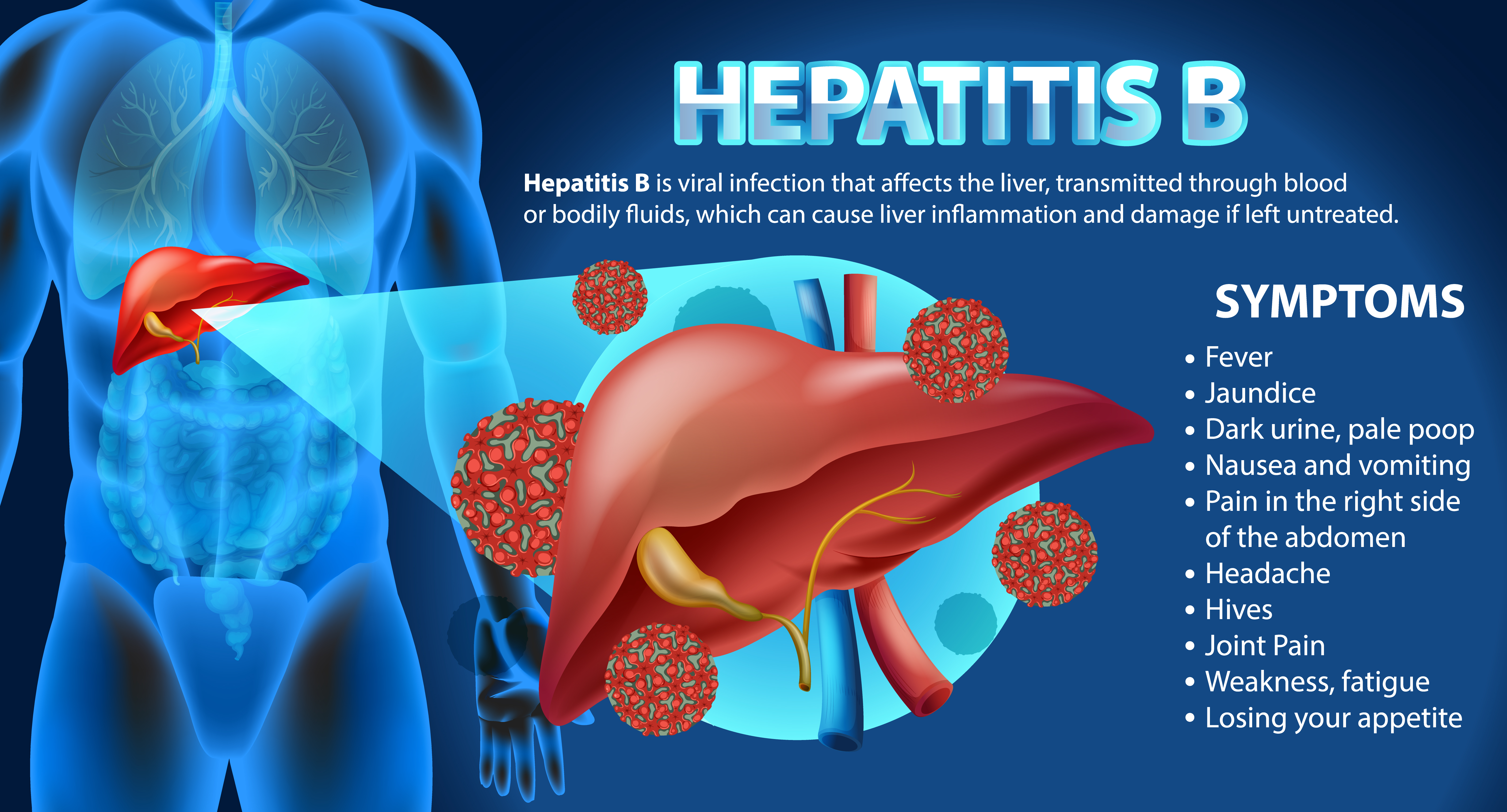
Hepatitis B: A Common Viral Infection Many People May Not Know They Have 🦠
Hepatitis B is a viral infection that affects the liver and remains a major global health concern, especially in many Asian countries, including Thailand.
One important fact about Hepatitis B is that many infected individuals have no symptoms in the early stages. As a result, people may live with the virus for years without knowing it, while the infection slowly damages the liver.
Without proper monitoring and treatment, chronic Hepatitis B can lead to serious complications such as liver cirrhosis, liver failure, and liver cancer.
This article explains:
- What Hepatitis B is
- How it spreads
- Common symptoms
- Why it can be dangerous
- And how it can be prevented
What is Hepatitis B?
Hepatitis B is caused by the Hepatitis B Virus (HBV), which attacks the liver.
The liver is one of the body’s most important organs. It helps:
- Remove toxins from the body
- Produce proteins
- Support digestion
- Regulate many important body functions
When HBV enters the body, it causes inflammation of the liver, known as hepatitis.
Some people recover completely, while others may develop chronic infection or become long-term carriers of the virus.
How Does Hepatitis B Spread?
Hepatitis B spreads through blood and certain body fluids from an infected person.
Common Routes of Transmission
1. Mother-to-Child Transmission
This is one of the most common routes in many Asian countries.
An infected mother can pass the virus to her baby during childbirth.
2. Unprotected Sexual Contact
Hepatitis B can spread through sexual activity, especially without condom use.
3. Sharing Needles or Sharp Objects
Examples include:
- Injection needles
- Tattoo equipment
- Piercing tools
- Razors
- Nail clippers
4. Direct Blood Exposure
Healthcare workers and individuals exposed to infected blood may also be at risk.
How Hepatitis B Does NOT Spread
Many people mistakenly believe Hepatitis B spreads easily through casual contact, but this is not true.
Hepatitis B does NOT spread through:
- Sharing meals
- Hugging
- Handshakes
- Coughing or sneezing
- Sharing bathrooms
People living with Hepatitis B should not face stigma or discrimination.
Symptoms of Hepatitis B
One of the biggest concerns is that many infected people have no symptoms at all.
Some individuals only discover the infection during routine health checkups.
Possible Symptoms
Symptoms may include:
- Fatigue
- Loss of appetite
- Nausea
- Pain in the upper right abdomen
- Fever
- Dark urine
- Yellowing of the skin or eyes (Jaundice)
Acute vs. Chronic Hepatitis B
Acute Hepatitis B
This refers to the early stage after infection.
Most healthy adults recover naturally because their immune systems can eliminate the virus.
Chronic Hepatitis B
A chronic infection means the virus remains in the body for more than 6 months.
People with chronic Hepatitis B may feel healthy for many years while the virus slowly damages the liver.
This can eventually lead to:
- Liver cirrhosis
- Liver failure
- Liver cancer
Who Should Get Tested?
Hepatitis B screening is recommended for:
- People who have never been tested
- Individuals with infected family members
- Pregnant women
- People with multiple sexual partners
- Healthcare workers
- Individuals with a history of needle sharing
- People undergoing routine health screening
How is Hepatitis B Diagnosed?
Diagnosis is usually done through a blood test.
Doctors may check markers such as:
- HBsAg
- Anti-HBs
- HBV DNA
These tests help determine:
- Whether infection is present
- Whether immunity exists
- How active the virus is
Can Hepatitis B Be Treated?
Currently, there is no guaranteed cure that completely removes the virus in every patient.
However, modern treatments can:
- Control viral activity
- Reduce liver inflammation
- Lower the risk of cirrhosis and liver cancer
Many patients can live normal, healthy lives with proper monitoring and treatment.
Hepatitis B Vaccination is Extremely Important 💉
The good news is that Hepatitis B can be prevented with vaccination.
The Hepatitis B vaccine is highly effective and is considered one of the most important tools for preventing liver cancer.
Who Should Receive the Vaccine?
Vaccination is recommended for:
- Newborn babies
- Children
- Adults who were never vaccinated
- Healthcare workers
- Individuals at risk of blood exposure
How to Prevent Hepatitis B 🛡️
- Get vaccinated
- Practice safe sex
- Avoid sharing needles
- Do not share sharp personal items
- Have regular health checkups
- Pregnant women should receive screening
Conclusion
Hepatitis B is a serious liver infection that may remain silent for years before causing major health problems.
The most important steps are:
✅ Early screening
✅ Vaccination
✅ Preventing exposure
Early detection and prevention can greatly reduce the risk of liver cirrhosis and liver cancer, helping people maintain long-term liver health 💙