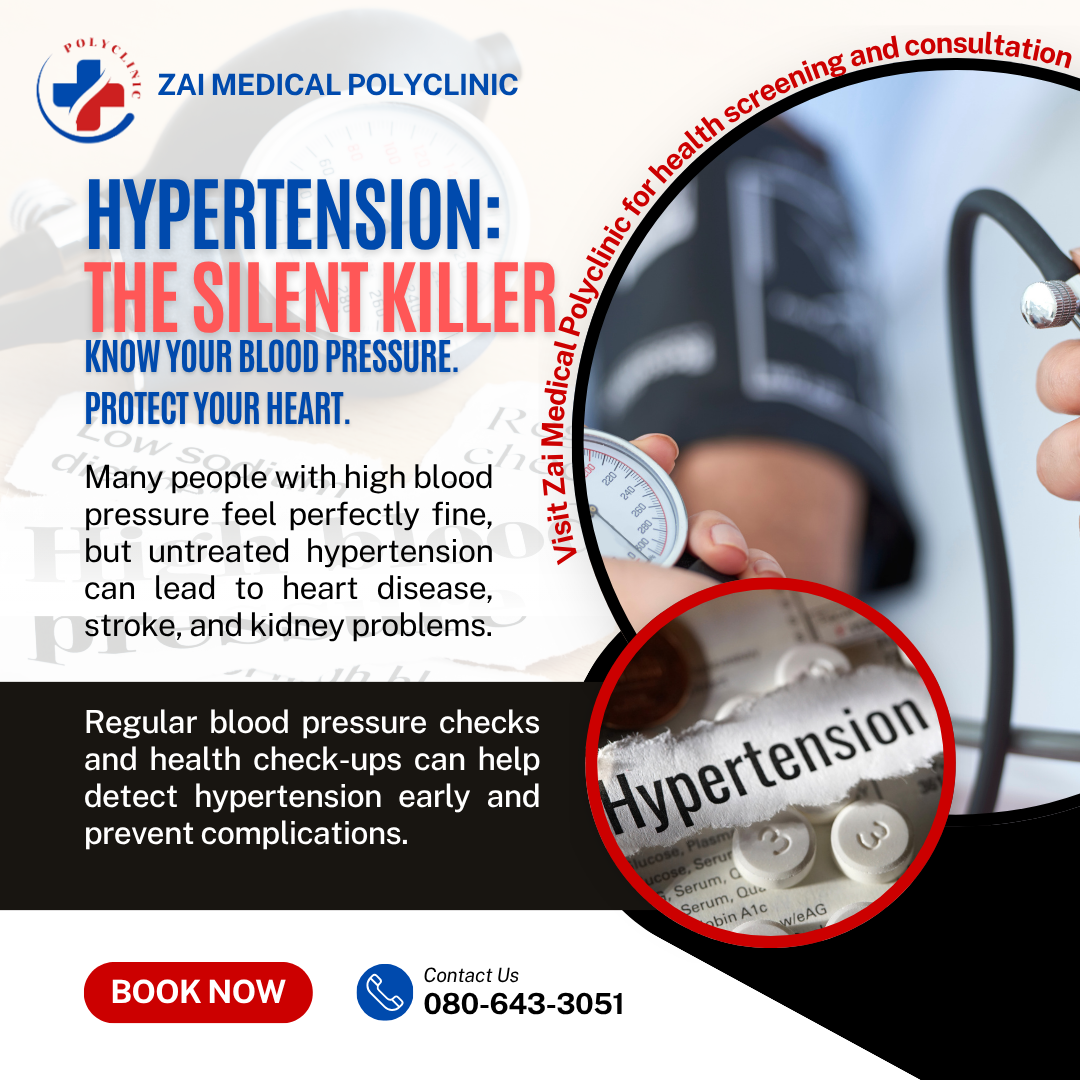
Hypertension is a condition in which the pressure of blood against the walls of the arteries remains consistently higher than normal over a long period of time. It is generally diagnosed when blood pressure readings are (140/90) mmHg or higher. This condition is often referred to as a “silent killer” because it may not cause noticeable symptoms, yet it can seriously damage important organs such as the heart, brain, and kidneys.
The condition can be explained in the following easy-to-understand sections:
- What Do Blood Pressure Numbers Mean?
A blood pressure reading always consists of two numbers (for example, (120/80) mmHg):
• Systolic Pressure: The upper number, representing the pressure when the heart contracts and pumps blood.
• Diastolic Pressure: The lower number, representing the pressure when the heart relaxes between beats.
- Blood Pressure Classification
• Normal: Less than (120/80) mmHg
- Possible Symptoms (When Blood Pressure Is Very High)
Most people with hypertension experience no symptoms. However, warning signs may include:
• Severe headache or dizziness
• Blurred vision
• Fatigue or shortness of breath
• Heart palpitations
- Risk Factors
Risk factors can generally be divided into two groups: uncontrollable factors (such as age and family history) and controllable factors, including:
• Consuming salty foods or foods high in sodium
• Being overweight or obese
• Smoking and alcohol consumption
• Chronic stress and insufficient sleep
- Serious Complications
If left untreated or poorly controlled, hypertension may lead to severe complications, such as:
• Heart disease: The heart works harder than normal, which may lead to an enlarged heart or heart failure.
• Stroke: Blockage or rupture of blood vessels in the brain, potentially causing paralysis or weakness.
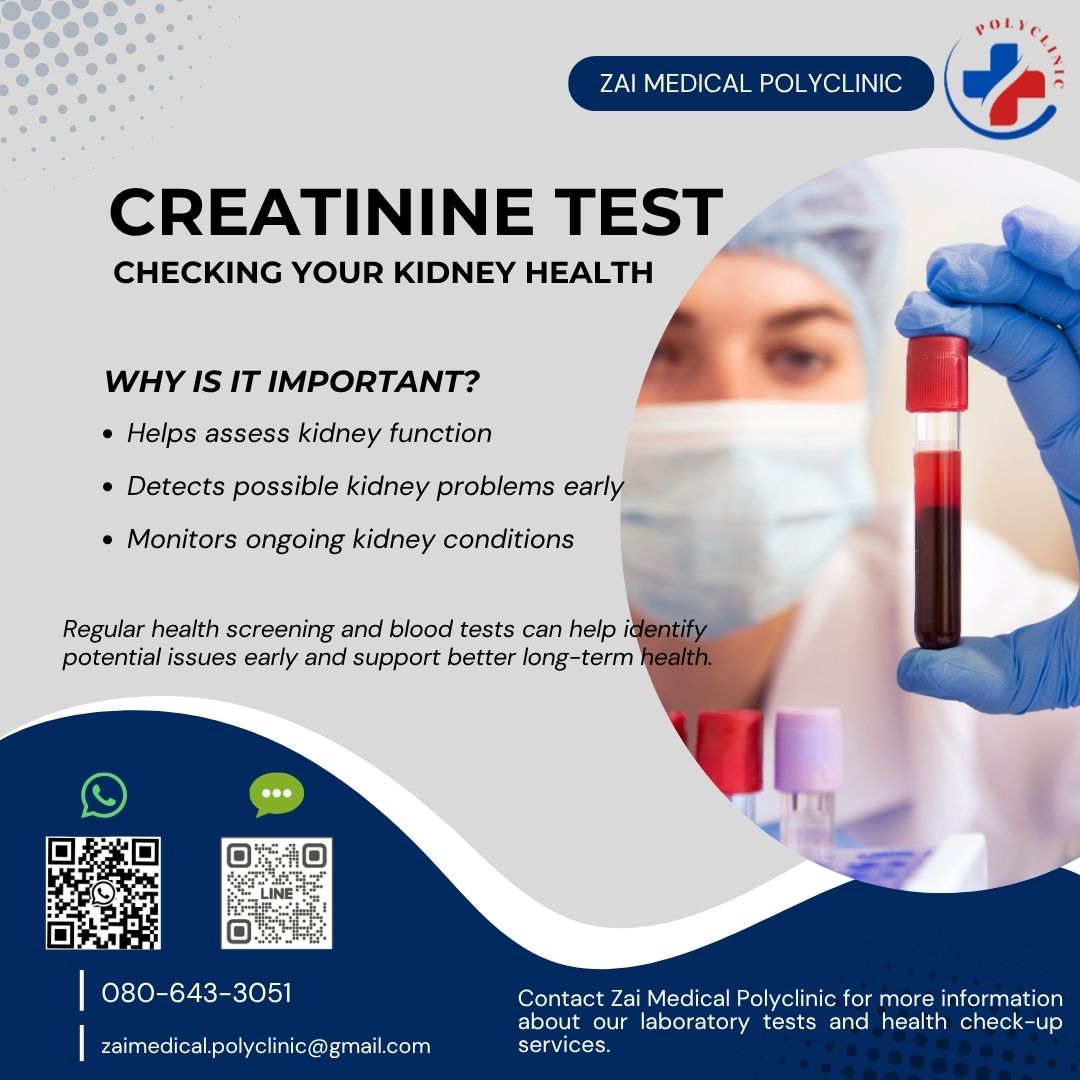
• Kidney failure: Damage to the blood vessels supplying the kidneys, resulting in reduced kidney function.